“To create a world where every pregnancy is desirable, every birth is safe and the potential of every young person is fulfilled. This is the slogan launched by UNFPA regarding Reproductive Health and Rights in a Time of Inequality, in the framework of the World Day against Poverty Eradication (October 17, 2017).
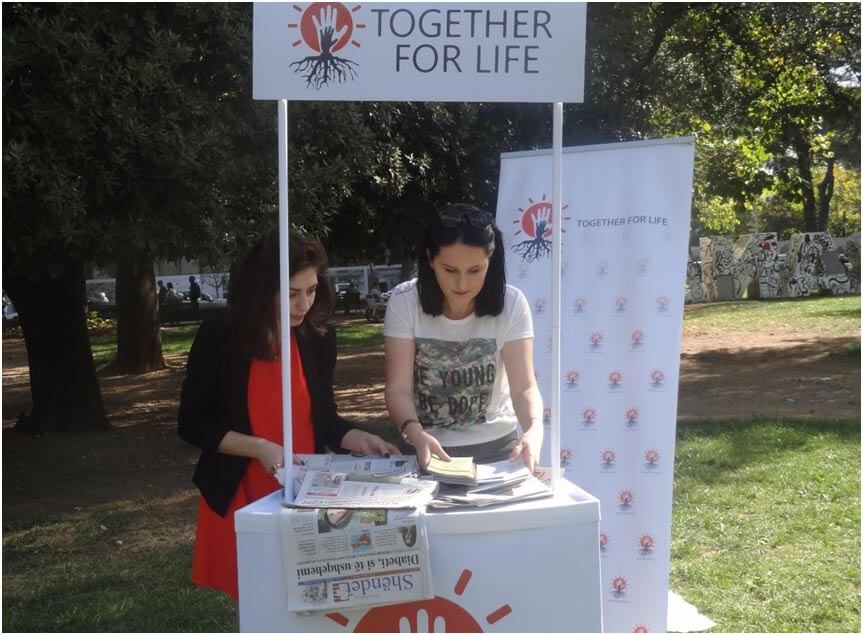
Together for Life has joined UNFPA in calling on people, especially young women, to be aware of the importance of having access to reproductive health information and equal access to health services.
Sexual and reproductive health is a universal right
Një drejtë universale është ajo që përfshin këdo dhe kudo, pavarësisht të ardhurave, etnicitetit, vendbanimit apo ndonjë karakteristike tjetër. Por realiteti është ndryshe sot, në vendet e zhvilluara, kjo e drejtë është shumë larg realizimit universal, ku qindra miliona gra në të gjithë botën akoma e kanë të vështirë të sigurojnë informacione, shërbime dhe pajisje për të parandaluar një shtatzëni apo për të pasur një lindje të sigurt.
It all depends on where they live (whether they live in the city or in a rural area), the level of education and the economic income.
According to the Guttmacher Institute, 89 million unwanted pregnancies, 48 million abortions, 10 million miscarriages and 1 million infant deaths occur each year in developing countries.
About 2014 million women in developing countries do not have data on family planning.
Data from 98 developing countries show that lack of information on family planning is more prevalent among low-income women living in rural areas and less educated than those who are richer living in urban areas and are more educated.
If these women in the first group become pregnant, lack of information and unequal access to reproductive health care, as well as failure to meet nutritional needs, can lead to serious complications for both mother and baby.
In developing countries, 7.3 million girls under the age of 18 become mothers each year, of whom 1.1 million are only 15 years old.
Many of these adolescent births – 95% – occur in developing countries, and 9 in 10 births occur within a marriage. Child marriages are usually more common in countries where poverty is extreme and in the poorest groups within a state.
Economic inequalities affect sexual and reproductive health
Brenda shteteve më të zhvilluara në botë, gratë në 20% e popujve më të varfër në botë, për shembull, kanë më pak akses në shërbimet e shëndetit seksual dhe riprodhues, përfshirë edhe planifikimin familjar dhe parandalimin e një shtatzënie të padëshirueshme, ndërsa ato në shtetet më të pasura kanë akses në shërbime të cilësisë më të lartë.
Without this information, women living in rural areas or those who are less educated are more likely to have an unwanted pregnancy. The consequences of this undesirable pregnancy are on the health of the woman and the child, as well as on the economic income in the long run./ Shendeti.com.al